Country websites

Attention

The medical device and therapy related information on this website is aimed exclusively at healthcare professionals.

The product related information on the websites covers – unless explicitly stated otherwise – only CE marked products which are marketable in the European Union. Please be aware that not all products and services described on the following website are cleared or available for sale in all countries. Please check the relevant country web site for details.

By clicking the button “Accepted and Confirmed” you assure that you have taken note of this information.

Therapeutic apheresis

DISCLAIMER

Not all products and services are cleared or available for sale in all EU countries and worldwide. Check your country web site for details. 

Removing harmful substances

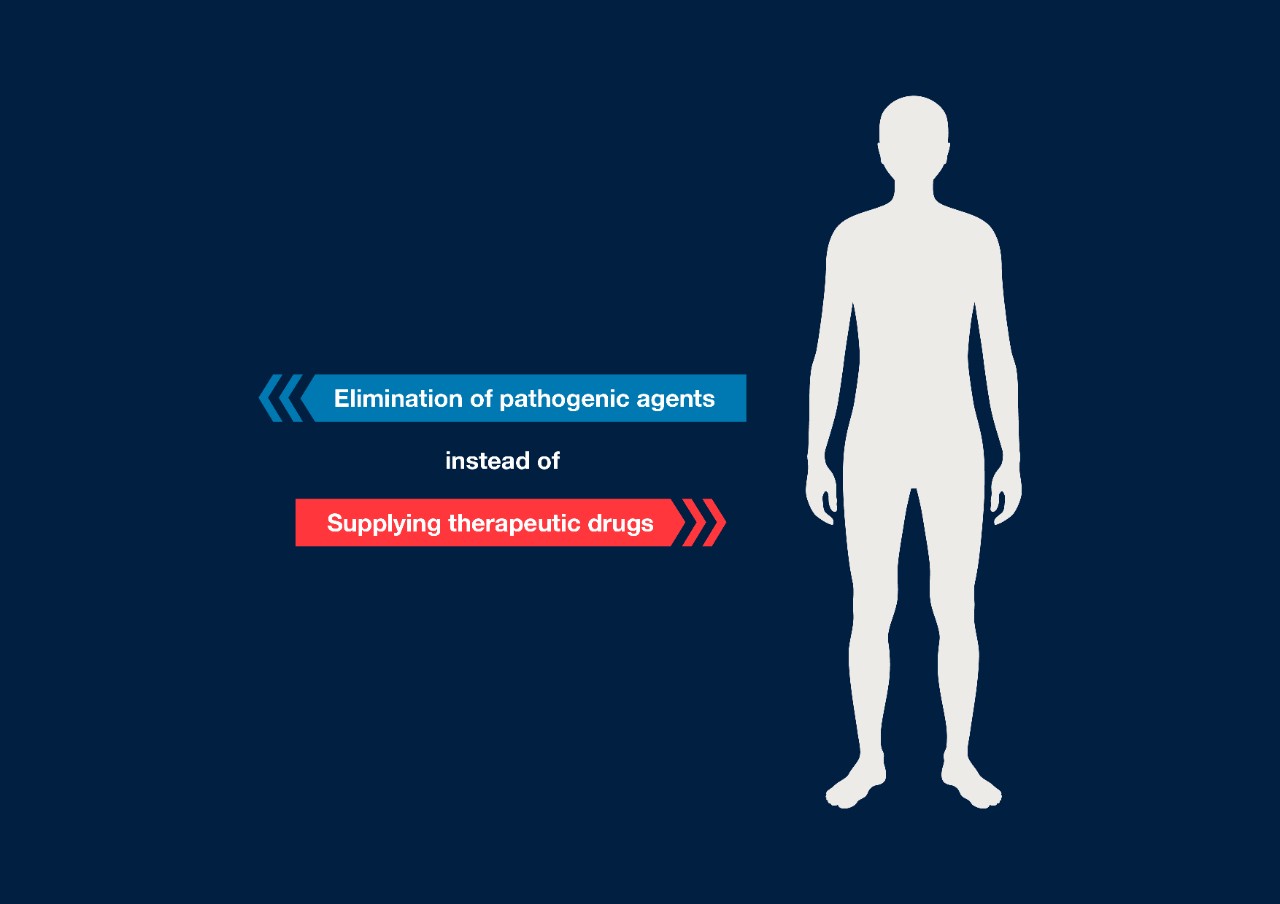
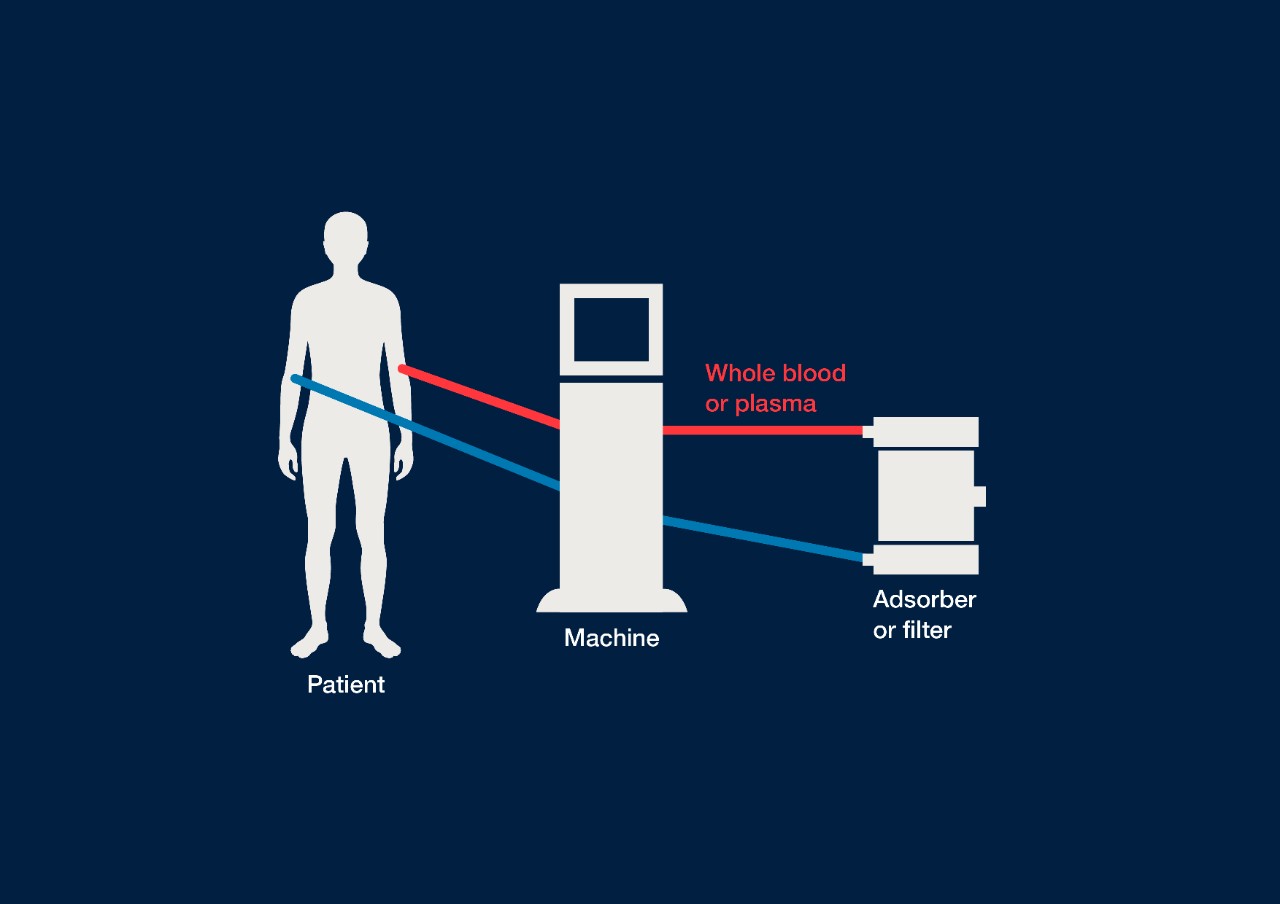
Therapeutic apheresis* is an extracorporeal blood purification procedure. Its working principle is the selective or semi-selective removal of pathogenic components from the patient's blood or plasma and not the administration of therapeutic drugs. The blood is returned to the patient’s body immediately after purification.1

Therapeutic apheresis yields benefits in a variety of medical conditions, including metabolic disorders, organ transplantation and autoimmune diseases. Therapy application can range from acute organ support to more preventive measures that alleviate signs and symptoms of disease and enable protection against critical progression.1

*Focus here is on selected methodologies defined in the ASFA guidelines table 4; methodologies: Immunoadsorption and Lipoprotein Apheresis

Immunoadsorption

Immunoadsorption therapy removes specific antibodies from the blood plasma. Due to its high selectivity, it can treat a wide range of severe autoantibody mediated clinical indications such as myasthenia gravis, steroid-refractory relapse in multiple sclerosis, certain settings of solid organ rejection, idiopathic dilated cardiomyopathy or certain very rare diseases like pemphigus vulgaris where decision making should be individualized.1

Lipoprotein apheresis

Lipoprotein apheresis aims to substantially reduce high cholesterol levels and other harmful lipoproteins in the patient’s bloodstream and serves patients with homozygous familial hypercholesterolemia (FH) or other forms of hypercholesterolemia, dyslipidemia and related cardiovascular diseases. Some of the lipoprotein apheresis devices also can be used for rheopheresis. Rheopheresis is an extracorporeal therapeutic apheresis procedure used to decrease blood viscosity and improve microperfusion by filtering rheologically relevant macromolecules out of the plasma.1

Therapeutic apheresis includes a variety of medical techniques, such as therapeutic plasma exchange or the adsorption of specific plasma components.

Thanks to our adsorbers, filters and many years of experience with extracorporeal methods, Fresenius Medical Care provides high-quality and versatile therapeutic apheresis treatment options for a wide range of diseases and disorders.2

What is therapeutic apheresis?

Watch to learn more.

1 Connelly-Smith L et al J Clin Apher 2023;38:77–278
2 Instructions for Use GLOBAFFIN (35840034 – 06.2)