

How home hemodialysis is redefining kidney care
For many people living with kidney failure, dialysis is a lifesaving therapy – but it can also shape nearly every aspect of daily life. Schedules revolve around treatment times, travel becomes complicated, and energy levels may fluctuate. Increasingly, however, home dialysis – home hemodialysis (HHD), nocturnal HHD, solo HHD, and peritoneal dialysis (PD) – is changing that experience, giving patients greater flexibility and a stronger sense of control over their care.
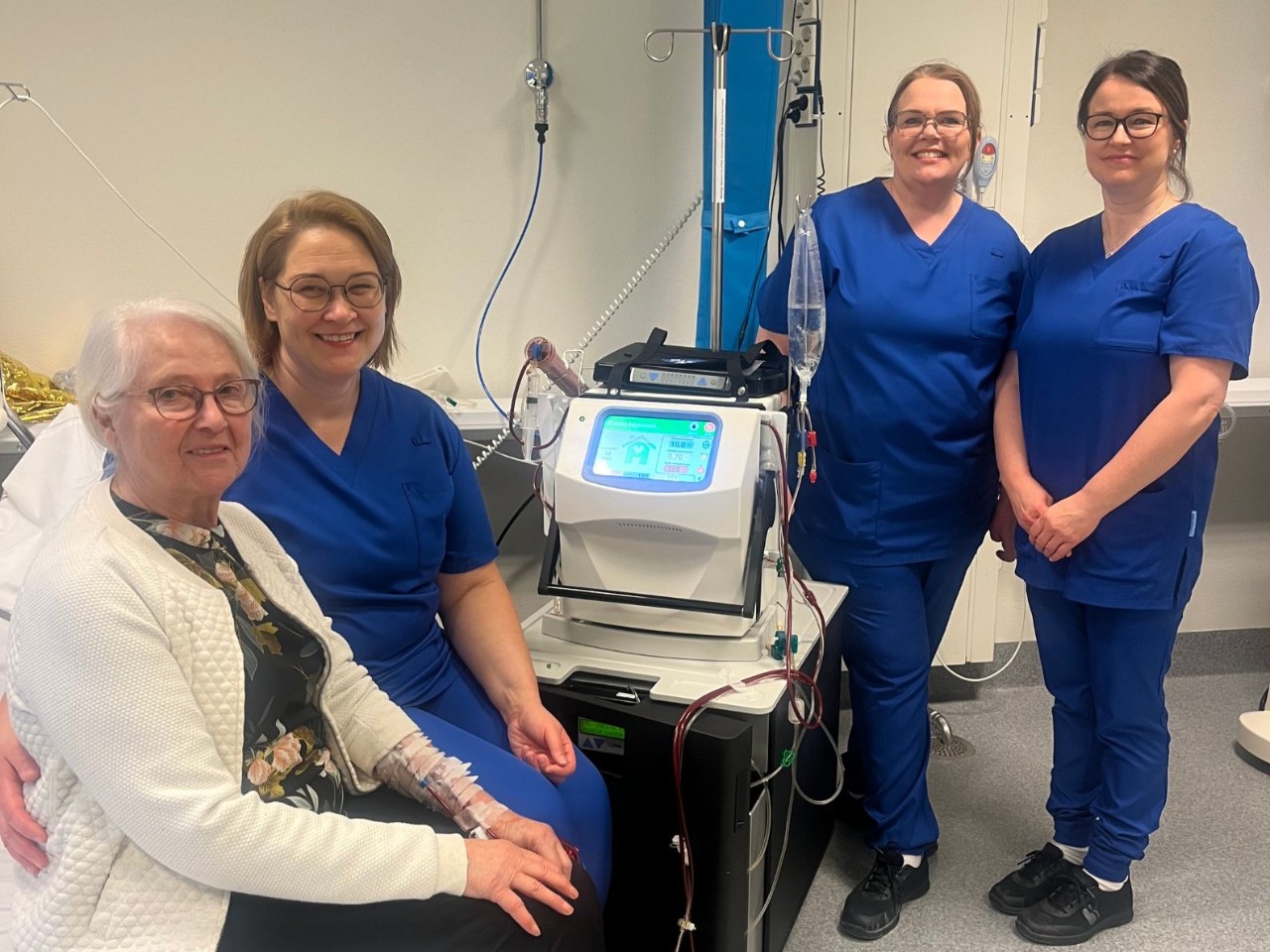
In Seinäjoki, Finland, that shift feels deeply personal for Ritva, an HHD patient who recently transitioned to treating at home. For her, the ability to decide when to dialyze* – and to build treatment around family, travel, and everyday life – has been transformative. “The freedom to decide when to dialyze is very important to me,” she says, noting that travel is especially meaningful now that her children and grandchildren live farther away. She also reports feeling many of the clinical benefits associated with HHD, including improved recovery time, cardiovascular benefits, less fatigue, and more stable blood pressure.
A more personalized approach to dialysis
Ritva’s experience reflects a broader shift in kidney care toward person centered therapies that meet patients where they are – both literally and figuratively. HHD allows patients, in consultation with their care teams, to perform treatment in the comfort of their own homes, often with more flexible schedules.
For many patients, home treatment can reduce travel time to their clinic, support greater independence, and make it easier to integrate dialysis into everyday routines. HHD can offer meaningful benefits for eligible patients.
Technology designed to simplify home treatment
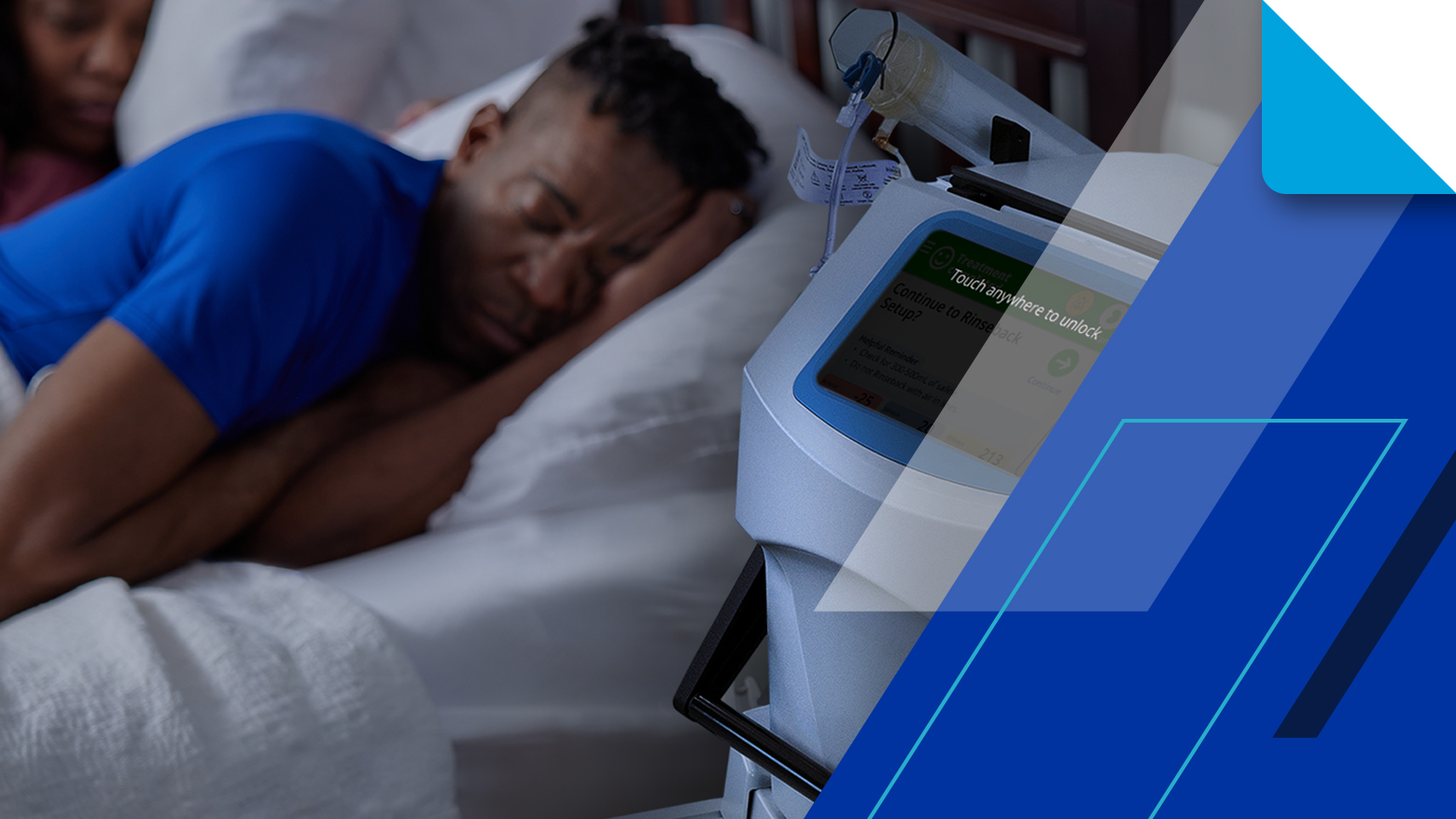
Advances in technology are helping make HHD more accessible and easier to learn. The NxStage VersiHD with GuideMe Software was designed specifically to support patients and care partners during setup, treatment, and troubleshooting.
NxStage VersiHD with GuideMe Software provides step-by-step, on screen instructions with picture-based walk throughs intended to build confidence, particularly for people who are new to home dialysis. The system’s touch-screen interface and guided prompts are designed to support learning and skill retention, both during training and in everyday use at home.
Portability is another defining feature. NxStage systems are designed to be compact and suitable for travel, with the option of using pre-mixed dialysate bags that allow treatment in a range of settings. For patients like Ritva, that portability supports something many people value deeply: The ability to maintain connections with loved ones through travel.
Growing momentum in the United States and globally
As awareness of home therapies grows, so does its adoption across different healthcare systems. The launch of the NxStage VersiHD with GuideMe Software in 2023 in the U.S. coincided with continued growth in new patients starting home treatment. And in 2025, Fresenius Medical Care (FME) reported that more than 15,300 U.S.-based patients were using the company’s NxStage systems to perform HHD – a milestone reflecting broader adoption across Fresenius Kidney Care clinics and independent dialysis providers. In the rest of the world, over approximately 2,000 additional patients are using NxStage systems for HHD.
Healthcare leaders have pointed to ease of learning, improved user experience, and technology that supports both patients and care partners as important drivers of this growth. Taken together, these developments highlight a growing recognition that kidney care can be more personalized to meet diverse patient needs.
These trends align with a global focus on expanding access to dialysis options that support quality of life alongside clinical outcomes. Technology, training, and care models that put patients at the center are increasingly seen as essential to the future of kidney care.
Bringing care home
For patients like Ritva, HHD represents more than a change in location. It’s a shift in mindset – from fitting life around treatment to fitting treatment into life. As technology, training, and clinical support continue to evolve, home therapies are playing an increasingly visible role in redefining what kidney care can look like.
While home therapy may not be right for every patient, stories like Ritva’s underscore why education about home dialysis options matters. As kidney care technology continues to advance, expanded access to home therapies offers the possibility of greater independence, confidence, and freedom for patients around the world.
*Based on a physician's prescription
Publication date: July 2026